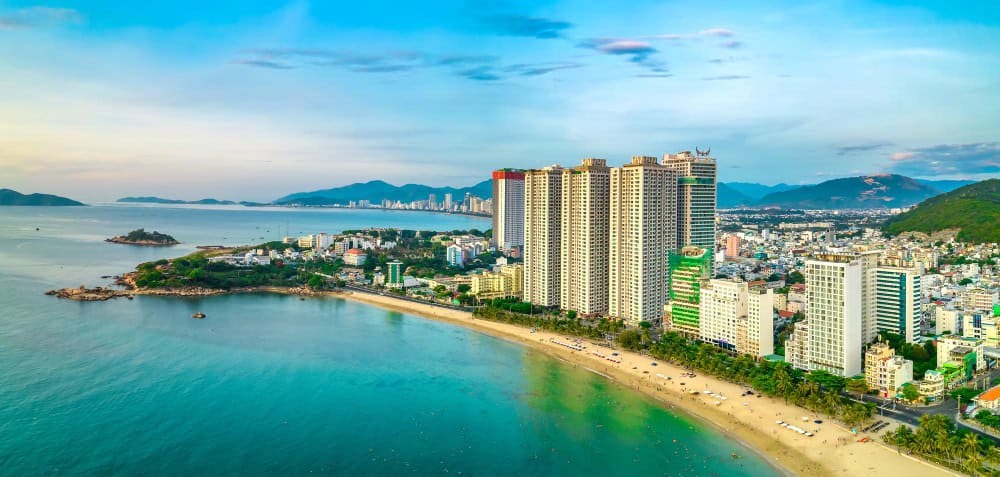

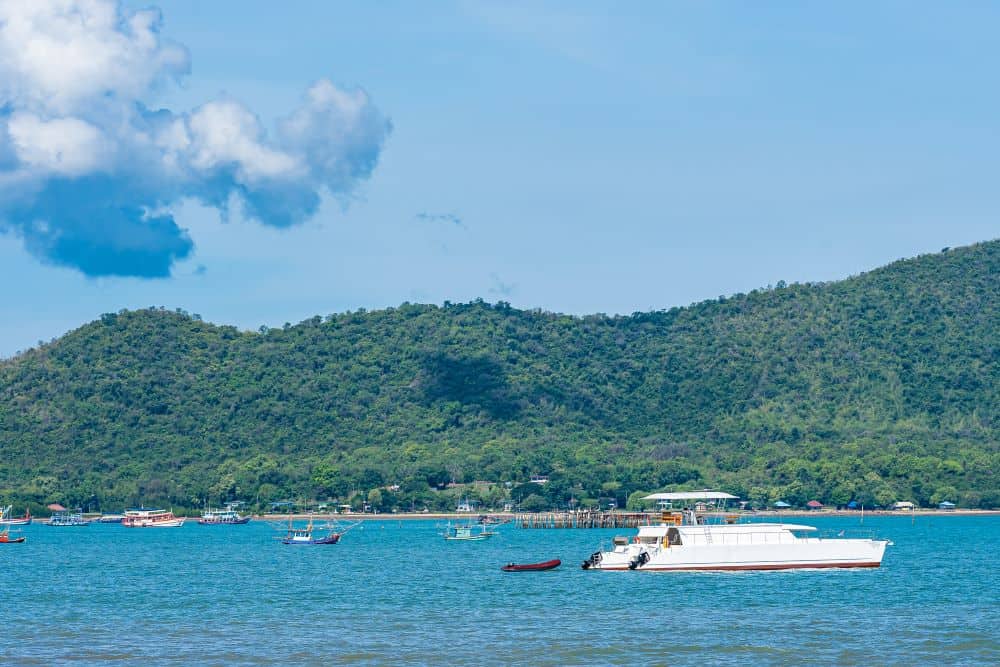
Koh Samui’s turquoise shores and lush landscapes draw over 3 million visitors yearly, fueling a real estate boom that rivals global hotspots. For discerning investors, this Thai island represents a gateway to high-yield opportunities amid steady appreciation and economic growth. Delve into the vibrant market overview, advantages like tourism-driven demand, diverse options from beachfront villas to developable land, emerging trends, and essential legal frameworks for seamless ownership.
Overview of Koh Samui Real Estate Market
The real estate market in Koh Samui has experienced consistent annual growth of 15% since 2019, propelled by a significant increase in tourism, which attracted 3.5 million visitors in 2023, as reported by Thailand’s Tourism Authority. This upward trajectory persists, with average condominium prices reaching $200,000 and villa prices surpassing $500,000, according to Knight Frank’s 2023 Thailand Report.
More than 5,000 units are currently available, supported by key infrastructure enhancements, such as the expansion of Samui Airport, which has improved accessibility. Investors may anticipate a return on investment of 8-10%, based on data from the Bank of Thailand, primarily through rental yields from vacation properties.
For strategic investment opportunities, consideration should be given to beachfront condominiums for rapid capital appreciation or villas suited for long-term rentals facilitated by platforms such as Airbnb. Colliers International projects a 12% market appreciation by 2025, positioning the present moment as an optimal entry point for diversifying investment portfolios.
Advantages of Investing in Koh Samui
Investment opportunities in Koh Samui deliver annual rental yields ranging from 6% to 8%, surpassing the average of 4% to 5% observed in Bangkok, as detailed in CBRE Thailand’s 2023 market analysis.
Tourism-Driven Demand
Koh Samui’s tourism industry attracts approximately 3.5 million visitors annually, according to Tourism Authority of Thailand (TAT) statistics, resulting in 70% occupancy rates for rental properties, particularly in the popular areas of Chaweng and Lamai beaches.
To leverage this robust demand, property owners should focus on the 80% international tourist segment originating from Europe and Asia, as indicated by Skyscanner’s 2023 data. Peak seasons, spanning December to March and June to August, typically achieve 90% booking rates.
The TAT’s 2023 report underscores a strong post-COVID recovery, with tourism rebounding by 25% year-over-year.
Recommended strategies include listing properties on platforms such as Airbnb or Booking.com, which can yield 7-10% annual returns through the use of dynamic pricing tools like PriceLabs.
For example, a two-bedroom villa in Bophut can generate up to $2,000 in monthly revenue during peak periods by optimizing listings for group accommodations and incorporating desirable amenities, such as private pools, to enhance guest reviews and justify higher rates.
Property Appreciation Potential
Properties in Koh Samui have experienced annual appreciation rates of 10-15% over the past five years, according to Savills Thailand’s 2023 Residential Market Report. This growth has been primarily driven by infrastructure developments, including expansions at Samui Airport and the introduction of new ferry services.
Significant infrastructure enhancements, such as the expansion of Samui Airport, have increased the value of adjacent plots by as much as 20%. These improvements have substantially enhanced accessibility for both tourists and investors.
For practical investment considerations, a $300,000 allocation to beachfront condominiums could yield an annual growth rate of 12%, potentially appreciating to $500,000 within five years through compound interest.
A notable case in point is the Maenam beachfront land, which appreciated by 25% following resort developments in 2020. Colliers International projects continued growth of 8-12% through 2028, propelled by initiatives in eco-tourism.
This positions the current market as an opportune moment for incorporating such assets into diversified investment portfolios.
Types of Investment Properties
Koh Samui presents a range of investment opportunities, including beachfront villas with an average price of $600,000, condominiums at $150,000, and land plots starting from $100,000 per rai, according to Dot Property’s 2023 listings.
Beachfront Villas
Beachfront villas in desirable locations such as Chaweng Noi typically range in price from $800,000 to $2 million and provide attractive rental yields of approximately 8% through platforms like VRBO. For instance, a four-bedroom property in this area commands a monthly rental of $3,500.
Optimal property profiles generally feature three to five bedrooms, private infinity pools, and 500 to 1,000 square meters of landscaped land to support expansive outdoor living spaces. Investors seeking greater privacy may prefer Lipa Noi to the more vibrant Chaweng area, where secluded beaches draw long-term renters.
Among the advantages are robust capital appreciation rates, as highlighted in Knight Frank’s 2023 Luxury Investment Index, which reports annual gains of 15% to 20%. This is illustrated by a renovated villa in Maenam that achieved a 20% profit upon sale following renovations in 2022.
Potential drawbacks include annual maintenance costs of around $10,000 for pools and gardens, necessitating careful financial planning.
For prospective investors, it is advisable to engage local real estate agents through reputable firms such as Siam Real Estate and to confirm property titles via the Land Department to ensure secure and verifiable transactions. Partnering with the Best Commercial Realtors in Koh Samui can further streamline due diligence, negotiations, and long-term portfolio planning on the island.
Condominiums and Apartments
Koh Samui condominiums represent an attractive investment opportunity for foreign buyers, with prices ranging from approximately $120,000 for studio units to $400,000 for two-bedroom units in developments such as Samui Green Cottages. These properties can generate yields of up to 7% through short-term rental arrangements.
Under the provisions of Thailand’s Condominium Act, foreign nationals are permitted to own up to 49% of the units within a given project, thereby securing freehold titles with legal certainty.
To optimize investment returns, purchasers are advised to consider off-plan acquisitions, which often provide discounts of 15-20%, as demonstrated in projects located in Bophut. Targeting high-demand areas such as Fisherman’s Village is also recommended; for instance, a one-bedroom condominium in this vicinity appreciated by 12% in 2023, according to data from CBRE Thailand.
Prominent features of these condominiums include resort-style amenities, such as infinity-edge pools, fitness centers, and on-site spa facilities, which enhance their suitability for platforms like Airbnb.
Key advantages encompass streamlined property management through reputable local agencies, such as Samui Property, with management fees typically amounting to around 10% of rental income. However, potential drawbacks include heightened competition during peak tourist seasons.
Prospective investors should commence the process by engaging a qualified legal professional to conduct thorough due diligence, while allocating a budget of approximately $5,000 to cover associated fees and taxes.
Land for Development
Land plots in Koh Samui are available starting at $80,000 per rai (1,600 square meters) for Chanote titles in the Maenam area, presenting substantial development opportunities with projected annual value appreciation of 10-15% driven by ongoing tourism expansion.
Thai nationals are eligible for freehold ownership, whereas foreigners are required to utilize leasehold arrangements for a maximum term of 30 years in accordance with the Foreign Business Act.
It is advisable to perform thorough due diligence by verifying property titles at the local Land Department office, which typically incurs fees of approximately $500 and requires 1-2 weeks to confirm the absence of any encumbrances.
Prominent development options include luxury villas and eco-resorts, capitalizing on the island’s influx of approximately 3 million tourists annually.
The advantages encompass significant potential returns through rental yields, while the drawbacks involve stringent zoning regulations that may lead to project delays.
For example, a 2-rai plot in Bophut, developed into vacation rentals, reportedly achieved a 9% return on investment, as documented in reports from Knight Frank Thailand.
Current Market Trends
In 2023, the property market in Koh Samui experienced a 20% increase in transactions, with off-plan sales rising by 30% attributable to new developments such as the Nora Buri Resort condominiums, as reported by Thailand Property Watch.
This growth corresponds with wider market trends, including a 25% increase in sustainable and eco-friendly properties, exemplified by solar-powered villas developed by companies like Sansiri, which attract environmentally conscious purchasers. Additionally, distressed sales provided opportunities at 15% below market value through auctions on platforms such as Thailand Auction House, presenting advantageous prospects for investors engaged in property flipping.
Pre-construction agreements offered discounts ranging from 10% to 20%, with initiatives like The Ridge providing strategic entry points; prospective buyers are advised to reserve units promptly through developer applications to access preferential pricing.
Projections indicate a 10% market expansion driven by ferry infrastructure enhancements, according to JLL Thailand, further supported by the Bank of Thailand’s fourth-quarter 2023 analysis of a 15% recovery in tourism. Potential investors are encouraged to closely monitor these developments to determine optimal acquisition timing.
Legal Considerations for Investors
To effectively navigate the legal framework in Koh Samui, a thorough understanding of the Condominium Act is essential. This legislation permits foreign ownership of up to 49% of condominium units.
Legal fees associated with such transactions generally range from 1% to 2% of the purchase price, as stipulated by the Thai Land Department.
Foreign Ownership Laws
Under Thailand’s Civil and Commercial Code, foreign nationals are permitted to own condominium units outright, provided that such ownership does not exceed 49% of the total building area. For land, foreigners must utilize 30-year leaseholds, with provisions for extensions, as regulated and enforced by the Ministry of the Interior.
To initiate any transaction, it is advisable to verify property titles through a professional Chanote inspection, which typically costs approximately $200. This process ensures clear title ownership, free from any encumbrances or liens.
Condominium ownership provides full control and indefinite tenure, offering superior long-term security compared to leaseholds, which remain susceptible to disputes during renewal periods. This distinction is underscored by a 2022 Supreme Court decision that affirmed the validity of lease extensions while emphasizing the importance of negotiation leverage for lessees.
For land acquisition, foreign individuals may establish a Thai company approved by the Board of Investment (BOI) at an estimated cost of around $5,000, enabling indirect property ownership. However, such arrangements are subject to rigorous regulatory oversight.
As an illustrative case, a Singaporean investor purchased a freehold condominium in Chaweng for $250,000 in 2023, benefiting from amendments to the Land Code in 2021 that facilitated streamlined lease renewal processes.
Visa and Residency Options
Property investments exceeding $250,000 qualify for the Thailand Elite Visa, which offers residency periods of 5 to 20 years at fees ranging from $15,000 to $60,000.
This program, promoted by the Board of Investment, establishes a direct connection between real estate acquisition and long-term residency privileges.
The Thailand Elite Visa is renewable and extends coverage to family members, facilitating seamless extended stays in the country.
It may be complemented by the O-A retirement visa for individuals aged 50 and above, which requires a minimum bank deposit of $25,000 or a monthly income of $800 to support annual renewals.
Many investors opt for the 10-year Long-Term Resident (LTR) Visa, which mandates a minimum investment threshold of $80,000 in designated approved sectors.
Applications for these visas are processed through Thai embassies, with associated fees of approximately $500.
Required documentation includes proof of investment, a valid passport, and evidence of health insurance coverage.
For instance, a retiree who purchased a $400,000 villa in Lamai secured 5-year access under the Elite Visa program without complication.
Prospective applicants are advised to consult Thailand’s Immigration Act B.E. 2522, as well as the Board of Investment’s 2023 guidelines, to ensure full compliance with all relevant regulations.